Mutual Exchange Scams: How to Spot Them and Stay Safe
Fake listings, cash-for-swap offers and “swap keys now” deals can cost you money and your home. How to spot a mutual exchange scam and stay safe.
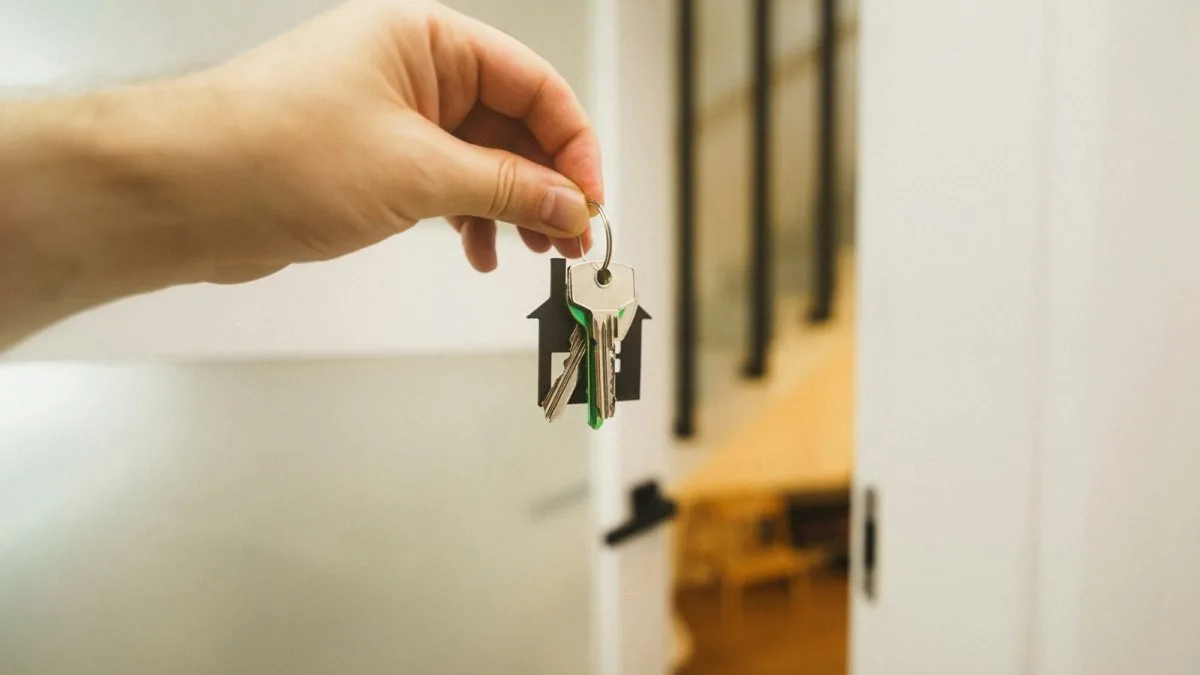
A genuine mutual exchange never involves money changing hands. If anyone asks you to pay for a swap, offers to pay you, or wants you to hand over keys before both landlords have signed it off, stop: you could lose money, and you could lose your home.
Most people you'll meet are honest tenants looking for the right move, just like you. But scams do happen, especially in social media groups. Here's what they look like and how to keep yourself safe.
The Golden Rule: No Money, Ever
You can't pay or accept money to swap a social home. For council tenants in England, it's one of the legal grounds a landlord can use to take the home back if it finds a payment was made for an exchange (Housing Act 1985, Schedule 2, Ground 6). Housing association tenancy agreements usually forbid it too.
That means a payment puts both tenants at risk, even the one who received the money. Removal costs each side pays for itself are fine. A "sweetener", a "holding fee" or cash for your carpets as part of the deal is not.
Common Mutual Exchange Scams
- Fake listings. Nice photos, a great area, and a tenant who can't meet or show you round but wants a "deposit" or "holding fee" to keep the swap for you. Often the photos are copied from a property website and the home doesn't exist.
- Cash for a swap. Someone offers you money to swap with them, or asks you to pay because their home is "better". Even if they're genuine, the payment can cost you your tenancy.
- Moving before approval. "Let's just swap keys now, the paperwork can catch up." Until both landlords approve and you sign the deed of assignment, you have no right to live in the other home, and you may not be able to get your own back.
- The person isn't the tenant. Someone advertising a home they're subletting or living in without permission. They can't swap a tenancy that isn't theirs, and you'd have no rights in that home.
- Fake "housing officer" fees. A message or call claiming to be from a council or housing association, asking for an "admin fee" or "approval fee" to speed your swap through. Your landlord won't ask you to pay a stranger or send money by bank transfer to approve a swap.
- Phishing links. A link to "confirm your listing" or "see the photos" that asks you to log in or enter bank details. Always go to a site by typing its address yourself.
Red Flags To Watch For
- They want money, gift cards or a bank transfer for any reason.
- They're in a hurry and want you to decide or move this week.
- They won't let you view the home, or the viewing keeps getting cancelled.
- They won't tell you who their landlord is.
- They want to swap keys or move before both landlords have said yes.
- The home sounds too good for what you're offering, and they don't seem to care what your home is like.
- They push you to move off the site to WhatsApp or text straight away.
How To Check A Swap Is Real
- View the home in person. Take someone with you, and look at the whole home, not just one or two rooms.
- Ask who their landlord is. Look the landlord up in our landlord directory to check it's a real social landlord.
- Both apply to your own landlords. Each of you applies in writing to your own landlord. The landlords check the tenancies, rent accounts and homes, so a fake tenant won't get through.
- Never move early. Wait until both landlords approve and you've signed the deed of assignment. Your landlord will tell you the moving date.
- Keep messages on the site until you're comfortable sharing your phone number, so there's a record of what was said.
How Mutual Home Exchange Helps
You can message other tenants on the site without sharing your phone number or email. Listings show small badges when the home is pinned on our map and when it's matched to a registered social landlord. These help you see that a listing is real, but they aren't an identity check, so still follow the steps above.
If something doesn't feel right, report the listing or user and we'll look into it.
If You Think You've Been Scammed
- Stop all contact and don't send any more money.
- Call your bank straight away if you've paid anything. The sooner you call, the better the chance of getting it back.
- Report it. In England, Wales and Northern Ireland, use Report Fraud (it replaced Action Fraud) or call 0300 123 2040. In Scotland, call Police Scotland on 101.
- Tell your landlord, especially if you've already handed over keys or someone is in your home.
- Tell us through our contact page, so we can remove the listing and warn others.
Wales And Scotland
The same advice applies across the UK. In Wales, swaps come under the Renting Homes (Wales) Act 2016, and in Scotland the Housing (Scotland) Act 2001. In both, your landlord has to agree to the swap first, and paying or taking money for one can put your tenancy at risk. Shelter Cymru and Shelter Scotland can help if you're unsure.
The Short Answer
A real mutual exchange costs nothing to arrange between tenants, goes through both landlords, and never starts before the deed of assignment is signed. If someone asks for money, offers money, or wants to swap keys early, walk away and report it.
Find out how a safe swap works on our how it works page, or list your home and start looking.