More Than a Lawn: Why an Accessible Garden Matters When You're Looking to Swap
A garden you can't actually use isn't a garden - it's a view. Here's what makes outdoor space genuinely accessible, and why it's worth asking about before you agree to any exchange.
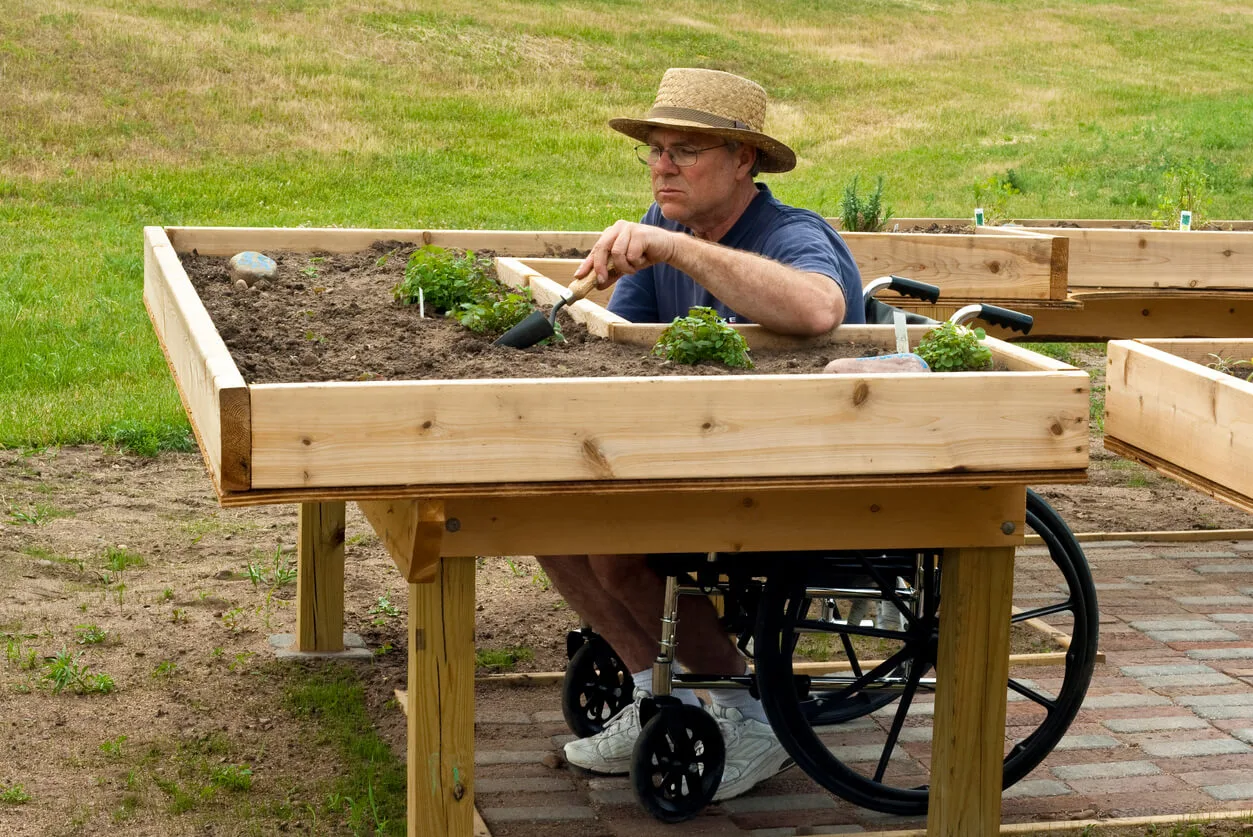
Margaret used to garden every day. After her mobility changed, she still had the garden - the same square of grass and borders behind the house - but she couldn't get to most of it anymore. The beds were too low to reach without kneeling, the path was too narrow for her wheelchair to pass the bins, and what had been the best part of her day became something she watched through a window instead. The garden hadn't changed. Her ability to use it had, and nothing about the space had adjusted to meet her.
It's an easy detail to overlook when searching for a swap. A garden either exists or it doesn't, and most listings stop there. But a garden you can actually get into and use is a genuinely different thing from one you can only look at.
What makes a garden accessible
There's no single feature that does it - it's usually a combination of small, deliberate choices:
- Raised beds, typically built around 60cm high, so someone using a wheelchair or unable to kneel can garden from a seated position without bending
- Firm, level paths wide enough for a wheelchair or walking frame - generally at least a metre, ideally closer to 1.5m if there's ever a need to pass someone else
- Ramps instead of steps anywhere the ground level changes, with a gentle enough slope to actually use independently
- A paved or hardstanding seating area, rather than grass that becomes difficult to cross after rain
- Handrails on anything sloped, and clear, obstacle-free routes rather than pots and furniture scattered across the only path through
None of this requires a large garden or an expensive redesign. Even a small paved yard with one raised bed and a flat, clear path can genuinely be used every day, where a larger but inaccessible garden often just sits unused.
Why it's worth asking about specifically
A garden's accessibility rarely comes through in a listing photo. A lawn photographs the same whether it's flat and firm or soft and uneven underfoot; a path looks fine in a still image even if it's too narrow to actually use with a wheelchair or a frame. If outdoor space matters to your quality of life - and for a lot of tenants, it's one of the few genuinely restorative parts of the day - it's worth asking directly:
- Is there a paved or hard-standing path, and how wide is it?
- Are there any raised beds or planters already in place, or would that be something to add afterward?
- Is the garden reached via steps, or is there level or ramped access from the property?
- Is the space sheltered enough to actually sit out in, or fully exposed?
Listing your own garden well
If your home has a garden that's genuinely usable - raised beds, a flat path, ramped access, anything that took real thought - it's worth saying so plainly in your listing description rather than assuming a photo speaks for itself. For someone who's spent years watching a garden through a window rather than using one, that single line might be the detail that makes your listing the one they message first.
Search current listings with accessible outdoor space in mind, or take a few minutes to add the details to your own listing that would help the right person recognise it as exactly what they've been looking for.
Looking for an adapted home? Tick "Disabled adapted" in the filters on our home search, and read what it's like to live in the towns you are considering.