Downsizing or Upsizing? - The Myths Busted
Struggling to find a home swap because nobody wants your 1-bed or 2-bed? Who actually even down-sizes?
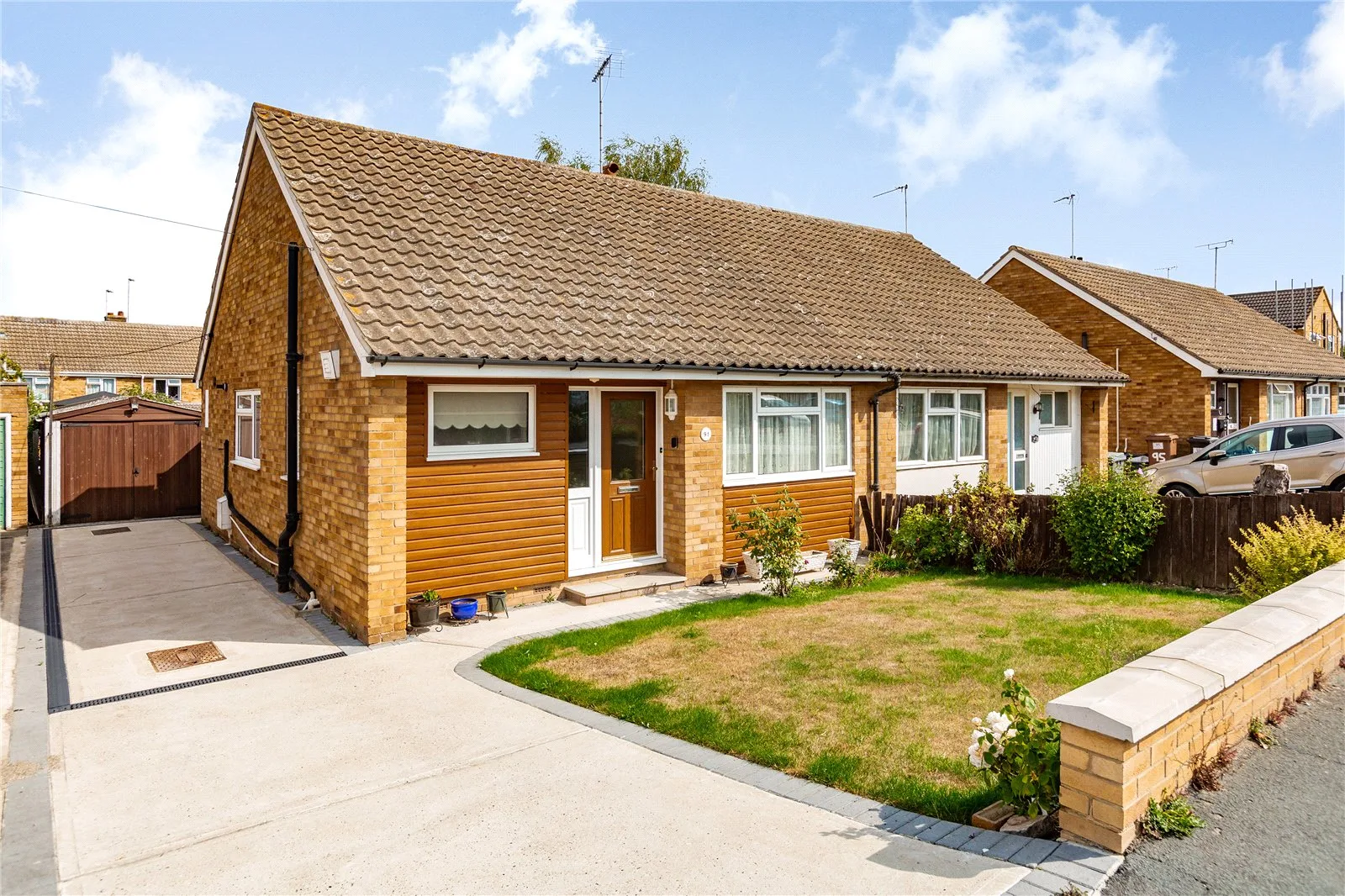
Struggling to find a home swap because nobody seems to want your smaller flat or house? It can feel as if everyone wants to go bigger. So who actually downsizes, and who is upsizing?
Myth 1: nobody wants to downsize
It is true that more households want extra space than want less. Families grow, and most people on the move are looking for another bedroom. There is no avoiding that.
But plenty of tenants do want to move somewhere smaller, and often for good reasons:
- Health and mobility. "I had an operation on my leg and I could no longer get up the stairs, so I needed to downsize." A ground-floor flat or bungalow can mean staying independent.
- The cost of spare rooms. Working-age tenants on housing benefit or Universal Credit have their help with rent cut if they have a spare bedroom: by 14% for one spare room and 25% for two or more. Swapping to a home the right size removes that cut.
- Children have left home. A three-bedroom house can be a lot to heat and clean for one or two people.
- Being nearer family. Many people trade space for location, to be closer to children, grandchildren or someone they care for.
Myth 2: a smaller home is impossible to swap
Smaller homes take a little more thought, but they do swap. The key is widening who your home can match with.
Try a three-way chain. Your home doesn't need to suit the person whose home you want. In a three-way swap, you move into home B, B's tenant moves into home C, and C's tenant moves into yours. Chains improve the odds for everyone, and especially for smaller homes.
Make your listing work harder. People who want a smaller home care about different things. Say how close you are to shops, buses and the GP. Mention if the home is on the ground floor, has a lift, is easy to heat, or has a manageable garden.
Myth 3: your landlord can't help
Your landlord may be able to do more than you think:
- Transfers. Ask whether they offer a direct transfer into one of their smaller homes, especially if your current home has more bedrooms than you need.
- Downsizing payments. Many councils and housing associations pay tenants who give up a larger home for a smaller one. Amounts and rules vary, so ask your landlord what they offer.
Simon moved to a one-bedroom bungalow in Islington. He received a £500 downsizing payment from his landlord, which he used to pay for his removals.
Myth 4: upsizing is easy
Because so many people want more space, bigger homes are in high demand, and three and four-bedroom homes are the hardest to find. If you are upsizing, be flexible on area, respond quickly and keep your listing up to date. Your landlord will also check that the new home isn't much too big for your household, so look for the size you need rather than the biggest home you can find.
The real reasons people swap
Size is only part of it. The bedroom tax, a new job, being close to family, health needs and wanting a fresh start are the real reasons people exchange. Whichever way you're moving, there is very likely someone out there moving the other way. The more clearly your listing says what you have and what you need, the easier you are to find.
Thinking about a particular town? Read what it's like to live there before you swap, then search the homes available.