What it's like to live in Blyth
Blyth is a coastal town in Northumberland, in England's North East, with about 39,769 residents. It has the settled, unshowy feel of a working town by the sea rather than a tourist spot, and it suits people who want space, low rents and a strong sense of place. The Northumberland coast and countryside on the doorstep are a real plus.
"I'd move here" adds Blyth to the areas on your listing, so homes here are matched to you first.
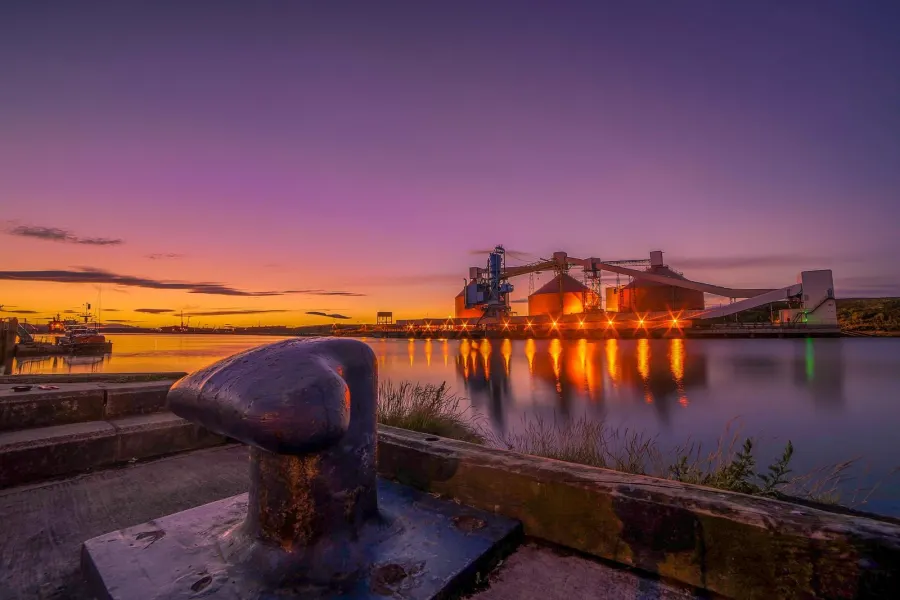
Blyth is a town of around 39,769 people on the Northumberland coast, in the North East of England. It is big enough to feel like a proper town with its own identity, but small enough that people recognise each other and word gets round.
For council and housing association tenants, the appeal is straightforward. Social rents across Northumberland are low by national standards, averaging around £77 a week for a one bed, £88 for a two bed and £96 for a three bed in 2024/25. That leaves more of a wage or a benefit payment for everything else, which matters more than any glossy description of a place.
This guide sticks to what we actually know about Blyth and the wider Northumberland council area, rather than guessing. Some of the figures below cover the whole county, which stretches far beyond this one town, so treat them as background rather than a picture of your street. The best way to judge Blyth is still to walk it on an ordinary weekday and see how it feels.
Swapping to Blyth: key facts
Can I swap my council or housing association home to Blyth?
Yes, if you are already a council or housing association tenant. Mutual exchange means swapping homes with another social tenant, so it does not depend on the council waiting list: you need a tenant in or near Blyth who wants your area, and both landlords must agree. Landlords have 42 days to decide and can only refuse on set legal grounds. In 2024 to 2025, 20 council homes in Northumberland changed tenants by mutual exchange.
How long is the council housing waiting list in Blyth?
10,921 households were on the Northumberland housing register on 31 March 2025, down 17% on a year earlier. 519 social homes were let through the council in 2024 to 2025, roughly 21.0 households for every home let. Source: Local Authority Housing Statistics, Ministry of Housing, Communities and Local Government.
How much is social rent in Blyth?
Average weekly social rents in the Northumberland council area in 2024/25: 1 bed £70 council, £82 housing association; 2 bed £82 council, £92 housing association; 3 bed £89 council, £101 housing association. Affordable rent homes cost more, typically 60 to 80% of market rent. Source: Regulator of Social Housing.
How much social housing is there in Blyth and who owns it?
17.8% of homes in the Northumberland council area are social housing (council 9.3%, housing association 8.5%), against 17.1% across England, according to the 2021 Census. The biggest social landlords there are Northumberland County Council (8,213 homes), Bernicia Group (7,971 homes) and Karbon Homes Limited (6,463 homes).
Which homes are available to swap near Blyth?
Contains OS data © Crown copyright and database right. Source: Office for National Statistics, Open Government Licence. Home positions are approximate.
No homes listed within 5 miles at the moment. New homes are listed every week: see homes across Northumberland, use the alert form below, or list your own home so tenants here can find you.
What is housing like in Blyth and who lives there?
Blyth sits in a county where home ownership dominates: 65.2% of households in Northumberland own, 16.4% rent privately and 17.8% rent socially, which is just above the England average of 17.1%. Social housing is split fairly evenly between council homes at 9.3% and housing association homes at 8.5%.
That means plenty of neighbours in the same boat as you. The largest social landlords in the county are Northumberland County Council with 8,213 homes, Bernicia Group with 7,971, Karbon Homes with 6,463, Home Group with 878 and Sanctuary Housing Association with 732. Your swap partner's landlord will be one of the reasons a move does or does not go smoothly, so ask early.
Demand is real. At 31 March 2025 there were 10,921 households on Northumberland's housing register, and 519 social homes were let through the council in 2024-25. Only 20 council homes changed hands by mutual exchange that year, which shows how underused swapping still is here.
Council waiting list and lettings
Households on the register by the size of home they need.
That is roughly 21.0 households waiting for every social home let in a year. Mutual exchange doesn't use the waiting list: if you already have a council or housing association home, swapping with another tenant can be a quicker way to move to Blyth.
A register counts households who have applied, so it isn't a simple queue: some are already social tenants hoping to transfer, and people can be on more than one council's list.
Typical weekly social rents in the Northumberland council area
| Size | Council | Housing association |
|---|---|---|
| Bedsit | £63 | £74 |
| 1 bed | £70 | £82 |
| 2 bed | £82 | £92 |
| 3 bed | £89 | £101 |
| 4 bed | £98 | £112 |
Social rent averages for 2024/25. Affordable rent homes cost more, typically 60 to 80% of market rent.
Biggest social landlords in the council area
- Northumberland County Council8,213 homes
- Bernicia Group7,971 homes
- Karbon Homes Limited6,463 homes
- Home Group Limited878 homes
- Sanctuary Housing Association732 homes
- Places for People Homes Limited577 homes
- Anchor Hanover Group545 homes
- The Riverside Group Limited468 homes
What is it like to live in Blyth?
It is an older town than the English average. Across Northumberland, 25.4% of residents are 65 or over, against 18.4% nationally, and just 21.1% are aged 25 to 44 compared with 26.6%. In practice that often means quieter streets, long-standing neighbours and strong community habits.
Life here tends to be local. Day to day shopping, appointments and school runs mostly happen within the town, with bigger trips saved up. If you are used to a city where everything is open late, Blyth will feel calmer. Some people find that a relief, others find it slow, and it is worth being honest with yourself about which you are.
What are the schools and family life like in Blyth?
Blyth has a reasonable spread of families, though Northumberland as a whole skews older: 16.1% of residents are under 16, against 18.6% across England. Schools, parks and play areas sit within the town, and for many families the draw is a three bedroom home at an average social rent of around £96 a week, which is hard to match in much of the country.
If you are moving with children, the practical questions are the ones to focus on. Check current Ofsted reports and admissions for the specific schools near any home you are offered, and ask whether places are available in the year groups you need rather than assuming.
The coast and open countryside of Northumberland give families cheap days out, which counts when budgets are tight. Older children may find the town quieter than a city, and will likely rely on buses or lifts to reach friends and activities further afield.
How do you get around Blyth?
Blyth is a town you can cover on foot in parts. Many residential streets sit within walking distance of local shops and schools, though how easy that is depends on exactly where in the town you land, so check the walk from any home you are considering before you commit.
Buses are the main form of public transport for people without a car, linking parts of the town and running out towards the wider Tyneside and Northumberland area. Services and frequencies vary a lot by route and time of day, especially in the evenings, so look up the specific stop nearest a potential new home rather than assuming.
A car makes life in Northumberland easier, particularly for reaching the countryside, out-of-town jobs or family elsewhere in the county. It is not essential in Blyth itself, but running costs are worth factoring in if you are moving from somewhere with denser transport. Cycling and walking work well on the flatter, more built-up stretches.
What is there to do in Blyth?
We do not have detailed information on individual venues and events in Blyth, so we will not pretend otherwise. What we can say is that it is a coastal Northumberland town, and the sea and surrounding countryside are the obvious free entertainment, in all weathers.
Day to day, life tends to revolve around local parks, community groups and the town's own shops and facilities, with bigger days out further along the coast or into the wider North East. If a lively night out is important to you, this is a town to visit first and judge for yourself.
Before swapping, it is worth spending a Saturday here and asking anyone you meet what goes on locally. Residents will tell you more about clubs, groups and regular events than any guide can.
What is work and the local economy like in Blyth?
Across the Northumberland council area, 52.4% of adults are in work, a little below the England figure of 57.4%. That partly reflects the older age profile of the county, with 25.4% of residents aged 65 and over, rather than a shortage of people wanting jobs.
Unemployment is lower than the national picture. Around 2.9% of adults are unemployed, against 3.5% in England, and 2.9% of 16 to 64 year olds were claiming unemployment-related benefits in August 2026, compared with 4% nationally.
For anyone moving for work, the sensible approach is to look at what is realistically commutable from Blyth by the transport you actually have. Many people here travel out of the town for work, so check the journey time and cost of a typical shift pattern before you accept a swap, especially if you would be relying on early or late buses.
Figures are for the Northumberland council area, Census 2021 and ONS claimant count.
How safe is Blyth?
Like every town centre, Blyth has police incidents logged each month. In August 2026 there were 270 within about a mile of the centre, made up of:
- Anti-social behaviour reports50
- Vehicle crime11
- Bicycle theft2
- Shoplifting34
- Other theft11
- Theft from the person2
Source: data.police.uk street-level crime. Counts cover a fixed one-mile radius around the centre, so busy high streets and stations always record far more than the residential streets around them, and most incidents are minor. Compare like with like: a similar-sized town centre, not a village.
Is Blyth a good place for social housing tenants?
If Blyth looks like the right fit, the practical next step is to list your own home on Mutual Home Exchange and set Blyth or the NE24 postcode district as a desired area. Swapping is free, open to council and housing association tenants, and does not depend on your position on any waiting list.
Good listings get replies. Add clear photos of every room and the outside space, say honestly how many bedrooms you have and what size they are, and mention heating, parking, garden and whether there are stairs. Be upfront about anything a swapper would notice on day one, because surprises are what kill exchanges late in the process.
Then stay open. Lots of tenants here would consider a move but never get asked, so send messages yourself rather than only waiting. Visit any home you are serious about, ask about bills and the neighbourhood, and get both landlords' written permission before anything is agreed. Done properly, a mutual exchange is one of the most reliable ways to move.
Tell me when a home appears near Blyth
One email, the first time a council or housing association home is listed within your chosen distance. No newsletter, no spam.
Live in Blyth? Add a photo
Tenants' own photos help other people picture the place. Approved photos are credited to you. Submit a photo.
Nearby place guides
Thinking of moving a little further? Compare homes to swap, rents and local landlords in places near Blyth.
All place guides in Northumberland → · All place guides in the North East → · All regions →